 Places
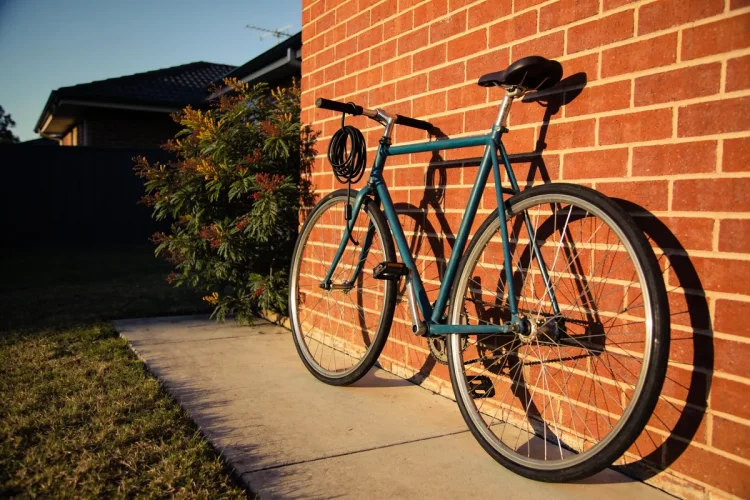
Say the listing reads like this. A carousel of photos, a careful description of every component, and one word where the frame size should be: medium. You send a message asking for the seat tube length in centimetres, and the reply comes back with the wheel size.
None of that makes the seller dishonest. Plenty of people sell a bike they bought, rode a few times and never measured, and “medium” is what the shop told them. It does tell you where to start, though, and it is not with the paint.
Here is our position, stated plainly. Buy by frame size and standover first. Check the serial on Bikelinc or BikeVAULT before any money moves. Walk away from a number that is missing, filed, painted over or does not match the frame. A frame that is the wrong size cannot be adjusted into the right one, a stolen bike can be reclaimed from you, and wear and paint can be priced and fixed. A clean register search is not proof of title, and the ACCC’s guidance on private sales explains why.
Before you pay for a second-hand bike
0 of 12Work down the list before you travel, at the kerb, and before you pay.
Before you travel
At the kerb
Before you pay
A clean register check is not proof of title.
Why the Order Matters More Than the List
Every guide gives you a list. What most leave out is the order, and the order tells you which mistakes cost an afternoon and which cost the bike.
Fit comes first because it is the only thing you cannot change. Stems, seat posts and saddles move your hands and your seat a little. Nothing changes the length of the frame or the height of the top tube. A bike that is too long stays too long, however good the price was.
Ownership comes second because it cannot be cured by you. If the bike turns out to be stolen property, its owner can reclaim it, and no receipt from the seller repairs that. The private-sale rules matter here, and the serial section below explains the difference between a clean check and clear title.
Cracks come third. A cracked frame or fork is usually the end of that frame, and carbon can hide damage under paint that looks intact. It sits below fit and title because you can see it before you pay, so the cost is usually a wasted trip.
Wear and paint come last because they can be priced. A chain, a cassette, tyres and brake pads are consumables. They change what the bike is worth, not whether you should buy it. A scuff makes a bike cheaper, not worse.
“Medium” Is Not a Frame Size
Frame sizes are not standard between brands. A medium in one range can match a large in another, which is why the word on its own tells you almost nothing.
Frame size is the seat tube, not the wheel. A 26-inch bike describes its wheels, and a 29er can be a small frame. The two numbers are unrelated, and a seller who answers with the wheel size has not answered the question.
A traditional road frame has a long seat tube. A compact road frame has a sloping top tube and a shorter seat tube, so its number looks smaller. Mountain bikes and hybrids are often given in inches. Read the column that matches the bike in front of you.
The Inside-Leg Table
The figures below come from the bikes.com.au size guide. Measure your inside leg barefoot, feet flat, back against a wall, a book at crotch height, and measure from the floor to the top of the book.
| Inside leg | Road, traditional | Road, compact | MTB / hybrid |
|---|---|---|---|
| 76-77 cm | XS, 50-52 cm | XS, 14-15 in | |
| 79 cm | S, 52-54 cm | S, 40-42 cm | |
| 81 cm | S, 16-17 in | ||
| 82 cm | M, 54-56 cm | M, 42-46 cm | |
| 84 cm | L, 56-58 cm | M, 18-19 in | |
| 85 cm | L, 46-48 cm | ||
| 87 cm | XL, 58-60 cm | L, 20-21 in | |
| 88 cm | XL, 48-50 cm | ||
| 90 cm | XL, 22-23 in |
Find your measurement on the left, then read across to the frame type. Where a cell is blank, the guide lists no size for that frame type, so use the nearer row and check standover. The guide gives the mountain bike XS at 76 cm and the hybrid XS at 77 cm, which is why the first row spans both. Body proportions vary, so treat the number as a starting point.
Standover is the check that catches a bike the seat tube number gets wrong. Stand over the top tube with both feet flat on the ground. You want clear space between you and the tube. If the frame touches you, the bike is too big, whatever the label says.
Between sizes, take the smaller frame. Reach can be added with a longer stem. A frame that is too long cannot be shortened.
Before you travel, ask for the seat tube length in centimetres or inches, whether the frame is compact or traditional, a photo of the serial, and the name that should go on the receipt. It’s the same habit as the measurements that save a wasted trip when a couch has to go through a doorway. Measure first, then drive. If the only answer you get is the wheel size, you’ve saved yourself the trip.
The Serial, Before Any Money Moves
Asking for a serial can feel like an accusation, especially when the seller has been friendly. It’s not an accusation. A serial is how a bike is identified, and asking for it is as ordinary as asking for the service history.
Most frames carry the number stamped under the bottom bracket. It can also sit on the chain stays, the headset or the seat tube. Ask for a clear photo before you travel, and take your own when you arrive.
There are two registers worth knowing.
Bikelinc was launched by Crime Stoppers WA in 2019, joined by Crime Stoppers ACT in 2020 and Tasmania in 2022. It is used in Western Australia, the ACT and Tasmania, and police there have access to it.
BikeVAULT is a free community register. Crime Stoppers NSW says buyers can use it to check whether a bike is stolen property.
So the map looks like this. In WA, the ACT and Tasmania, Bikelinc is the one police there can see, so check it and BikeVAULT. Elsewhere, check both, because a bike can move between states. If your state publishes no public search, call the police non-emergency line on 131 444. There is no single national register, and each one holds only the bikes that someone has registered and reported.
What a Clean Check Does Not Prove
A clean result is not proof of ownership. A register can only return a bike that someone has registered, and a theft that someone has reported. If the bike was never registered, or the theft was never reported, the search comes back clean and tells you nothing either way. It moves the odds in your favour, without giving you title.
The ACCC’s rules explain why. Most consumer guarantees do not apply to a one-off private sale, but three still apply. You are entitled to clear title, undisturbed possession and no hidden debts. That means the bike is the seller’s to sell and nobody can take it back for a debt. If it turns out to be stolen property, though, its owner can reclaim it, and your remedy is against the seller. The seller may be gone by then. That’s why the check happens before you pay.
Walk away if the serial is missing, filed, painted over or does not match the frame. A missing number does not prove the bike was stolen, and it’s worth saying so. It means nobody can check the bike, including you, and you cannot price that risk. A number that has been filed off or painted over is different. Someone has deliberately removed the identifier, and that is the end of the conversation.
The Kerbside Checks, Worst First
With fit and serial clear, look at the bike as a machine. The habit is the same as checking second-hand power tools at the seller's door: find the fault that ends the deal before you price the one that only changes it. These eight checks start with the failures that end a deal.
Frame and fork. Look for cracks, dents and cracked paint, especially around the welds and the bottom bracket. On carbon, damage can sit under paint that looks intact, so a carbon frame with a story is a risk you cannot inspect away. A crack is a walk-away; a dent needs a closer look.
Wheels. Spin each wheel and watch the rim against the brake pads or frame. It should run true, with no wobble. Squeeze pairs of spokes for slack, and rock each wheel at the rim to check for hub play.
Drivetrain. Shift through every gear, then ride and shift under load. A drivetrain that skips when you push hard is worn, and a worn chain or cassette is a price item, not a rejection.
Brakes. Pull each lever firmly. The brakes should bite well before the lever reaches the bar. Check the pads for wear and the cables for fraying.
Headset and bottom bracket. Hold the front brake and rock the bike to feel for headset play. Hold the cranks and try to rock them side to side to feel for bottom bracket play. A small adjustment is one thing, but a worn bearing is a job.
Suspension, if fitted. Push down on the fork and shock and watch how they return. They should move smoothly, with no oil on the shiny tubes and no knocking. Ask for service receipts, because unserviced suspension is a bill waiting to happen.
Tyres. Look for cuts, cracked sidewalls and any place the casing shows through. Tyres are consumable, so a worn pair changes the price, not the decision.
The test ride. A test ride is the one check a stand cannot do. Ride it properly: shift, brake, stand on the pedals, and listen for creaks and clicks. Most of all, notice whether it feels right under you. A bike that fits on paper and feels wrong on the road is still the wrong bike.
If something worries you, ask about it. A seller who knows the bike will usually have an answer, and the answer tells you as much as the bike does. If the answer is that it’s always done that, believe them and price it.
Paint Is the Last Thing That Matters
Paint is at the bottom of the order because it is the only thing on the list you can live with. A scuff or a faded decal is a price lever. Point it out politely, and let it move the number. Anyone who has sold at a market stall will tell you the same: a visible flaw is where the haggling starts, not where the conversation ends.
Paint cannot tell you the frame is sound. Fresh paint can hide a filled dent or cover damage, so fresh paint over a rough area deserves a closer look. Paint over the serial is a walk-away for the reason in the last section. Original paint, even when it is tired, tells you more than a fresh coat does.
You will see the same logic if you price the reinstall before you buy a used split system: the visible part is the cheap part, and the work behind it is what you are buying. On a bike, the paint is the visible part. The frame, the bearings and the drivetrain are the work.
The Paperwork That Stands Up Later
Ask for a receipt that names the seller, the date and the serial, and keep it with the messages. A handwritten receipt is fine. What matters is that it ties the bike to the person who sold it and the number you checked.
Keep the conversation on the platform where you found the bike, at least until you have seen it. Messages there are a record, and a record is what you will want if something goes wrong. Inspect the bike in person before you pay. No deposit for a bike you have not stood over, however friendly the seller seems.
The Order That Protects Your Money
Measure the frame and the standover first, because a frame that does not fit cannot be fixed. Check the serial on Bikelinc and BikeVAULT before you pay, because a clean result is not proof of title and a stolen bike can be reclaimed. Then price the wear, and let the paint move the number rather than your judgement.
A dealer or a shop warranty removes both of the big risks, and charges you for the certainty. If that trade suits you, take it with a clear conscience. If you are buying privately, the order above is the protection that works.
If the seller cannot tell you the frame size and will not send a photo of the serial, thank them kindly and keep looking. The right bike is out there, and it will fit.
Sources: Bikelinc, Check a bike (https://bikelinc.com.au/check-a-bike/); Crime Stoppers NSW, Reduce bike theft (https://nsw.crimestoppers.com.au/reduce-bike-theft/); bikes.com.au, Bicycle size guide (https://bikes.com.au/pages/bicycle-size-guide); ACCC, Consumer rights and guarantees (https://www.accc.gov.au/consumers/buying-products-and-services/consumer-rights-and-guarantees)


